Home collection
Home blood test collection in Dubai: before, during and after
Home collection changes where a sample is taken, not the need for preparation, safe handling and a clear follow-up plan.
Source-led information; no clinician review is claimed.

For home blood test collection in Dubai, confirm suitability, preparation, collector identity and sample transport before agreeing to a visit. A blood test at home enquiry is not a confirmed appointment; not every lab test can be collected at home. A home visit can reduce the need to travel, but it still needs a well-organised laboratory pathway. The requested tests, preparation, collector, sample transport and results process should be confirmed before anyone arrives.
This checklist explains what to ask about a Dubai home blood-test visit. Availability depends on the test, location and confirmed provider. Home sample collection is not an emergency service or a replacement for an examination when you are unwell.
Check that home collection is suitable
Ask whether the specific test can be collected at home and whether it needs a referral, timed sampling, special transport or a centre visit. Do not assume that every item in a catalogue is available for home collection. Explain your location and any access requirements when asking for availability.
- Send the exact test names or referral rather than 'a full check'.
- Confirm the provider, total cost and what is included.
- Ask whether someone else needs to be present during the visit.
- Explain previous fainting, difficult blood draws or relevant allergies.
Prepare yourself and a practical space
Follow the instructions for your particular tests; fasting is not required for every blood test. Do not change medicines without clinical advice. Have your identification and referral ready, and choose a well-lit space with room for the collector's equipment and a comfortable seat.
- Confirm how the team will contact you if the visit is delayed.
- Keep children and pets away from the collection area.
- Tell the team about preparation changes before the draw begins.
- Arrange language or mobility support in advance if needed.
During collection: identification and safe handling
Safe blood collection includes confirming the patient, using appropriate equipment and keeping sample identification accurate. The collector should check your details and explain the procedure. Ask questions if a label or test request appears wrong; a sample needs to be connected to the correct person and request.
- Tell the collector if you feel faint or anxious before the procedure.
- Ask how used needles and materials will be removed safely.
- Confirm how the samples will reach the laboratory.
Source: WHO — Guidelines on drawing blood: best practices in phlebotomy
After the sample is taken
Follow the collector's instructions for pressure on the puncture site and the dressing. A small bruise or local swelling can occur after a blood test. Ask what to do if bleeding does not settle or symptoms concern you, especially if you use medicines that affect bleeding. If you feel faint, tell the collector before standing.
Source: NHS — Blood tests
Agree how results and follow-up will work
Before the team leaves, confirm the expected reporting window, delivery method and contact for delays. Turnaround varies by test and should be confirmed, not assumed. Ask who will interpret significant findings. A report flag alone is not a diagnosis, and a collection visit does not automatically include a medical consultation.
- Who sends the report and through which agreed channel?
- Is clinician review included or arranged separately?
- How will the team communicate a finding needing prompt attention?
- Who arranges another sample if the first cannot be processed?
Keep the initial enquiry focused
Start with the requested tests, preferred area, approximate date and any preparation or access questions. Avoid sending unnecessary sensitive records before you know the intended recipient and communication channel. The enquiry team can confirm the arrangement; clinical questions should go to the clinician responsible for your care.
- Keep the confirmed quote and instructions together.
- Reconfirm changes to the test list before collection.
- Save the report and the agreed follow-up plan afterwards.
Common questions
Can every blood test be collected at home?
No. Suitability depends on sampling, timing, handling and provider availability. Confirm each requested test before booking.
Do I need to fast for a home visit?
Only if your specific tests require it. The location of collection does not determine whether fasting is needed.
Will the collector explain my results?
Do not assume a collection visit includes clinical interpretation. Confirm how and by whom the results will be reviewed.
Is home blood collection suitable for an emergency?
No. Seek appropriate urgent medical assessment if you are acutely unwell rather than waiting for a routine sample-collection visit.
Sources and limitations
These sources support general medical information. Dubai service arrangements, costs and availability need separate confirmation; overseas programme rules are not presented as local eligibility.
- MedlinePlus — How to prepare for a lab test
- WHO — Guidelines on drawing blood: best practices in phlebotomy
- NHS — Blood tests
- MedlinePlus — How to understand your lab results
This content is educational, not a diagnosis or an individual treatment plan. Consult a clinician about symptoms or questions specific to your health.
Ask about home sample collectionGuides for your next step
Back to the blog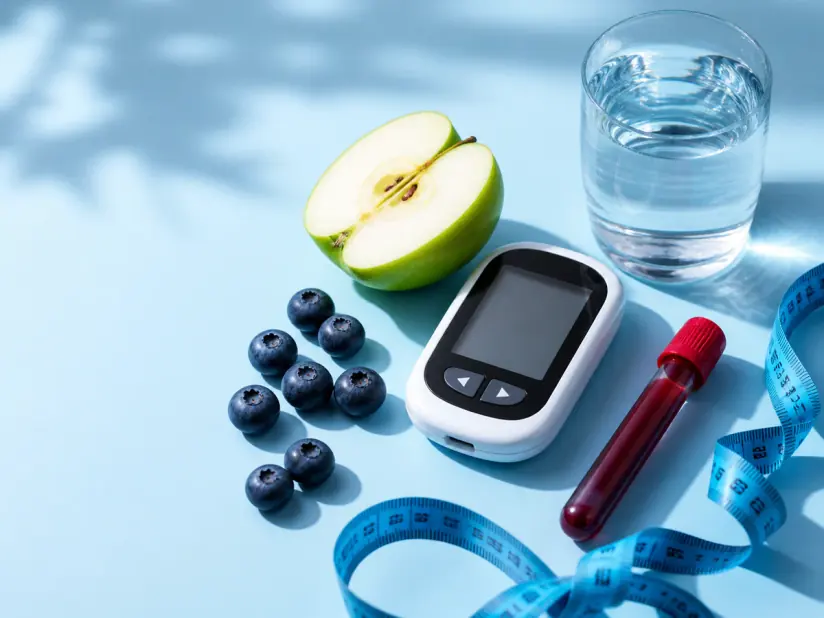
Diabetes testing
HbA1c vs fasting glucose: which test is on your request?
Both relate to blood sugar, but they answer different questions. Match the test to your clinician's request before comparing packages.
Read article
Thyroid testing
Thyroid blood tests: understanding TSH, T3 and T4
A thyroid profile is a list of named markers, not a standard promise. Check whether your request specifies TSH, free T4 or another test.
Read article
Iron and blood counts
Iron profile, ferritin and CBC: what is actually included?
An 'iron check' may mean different measurements. Ask for the marker list so that a missing ferritin or CBC is not discovered after collection.
Read article
Vitamin testing
Vitamin D test types: 25-OH, total and active vitamin D
Similar-looking vitamin D names do not always describe the same test. Start with the exact request, not the cheapest matching search result.
Read article
Test preparation
Fasting before a blood test in Dubai: what to confirm
Not every blood test needs fasting. Start with the exact test and the collection team's instructions, not a blanket rule.
Read article
Results & follow-up
Understanding blood test results: a calm, practical guide
A highlighted value is a starting point for a conversation, not a diagnosis. Read the report alongside your history and symptoms.
Read article
Preventive health
Choosing a health screening package in Dubai
A useful package answers a health question. Learn to compare its contents, limitations and follow-up before booking.
Read article
Practical questions
H. pylori tests: active infection or past antibodies?
A catalogue may list several H. pylori tests, but they are not interchangeable answers to the same question. Ask whether your clinician is investigating a current infection or checking the outcome of treatment. That purpose helps determine the specimen and method, not the shortest turnaround or the largest package.
Read article
Practical questions
Coeliac blood tests: talk before removing gluten
If coeliac disease is being investigated, changing your diet before the tests can change what they show. Tell the clinician whether you already avoid gluten before choosing a catalogue item. Coeliac disease, wheat allergy and a self-described food sensitivity are not interchangeable diagnoses.
Read article
Practical questions
hCG blood tests: a number does not locate a pregnancy
A qualitative hCG blood test gives a positive-or-negative result; a quantitative test reports an amount. Neither result alone can confirm where a pregnancy is located. If pregnancy is possible and there is pain or bleeding, seek clinical advice rather than relying on a catalogue test to decide whether care is needed.
Read article
Practical questions
Urine ACR and blood creatinine answer different questions
An order for urine ACR is not fulfilled by measuring creatinine in blood alone. ACR compares albumin with creatinine in urine, while blood creatinine often contributes to an estimate of kidney filtration. Your clinician may need both types of information; do not substitute one because the names share “creatinine”.
Read article
Practical questions
Cortisol testing is not a simple stress score
Cortisol is involved in the body’s stress response, but a cortisol investigation is not a general score of how stressful your week was. Blood, saliva and urine tests can have different protocols. Select the exact clinician-requested investigation rather than whichever catalogue item has the shortest name.
Read article
Practical questions
Lipase and amylase: laboratory tests are not a pain triage
Severe or persistent abdominal pain should be assessed, not managed by choosing a pancreatic-enzyme test online. Lipase and amylase can contribute to a clinical investigation, but a number alone cannot determine the cause, severity or safe care setting for your symptoms.
Read article
Practical questions
Why an MMA test may follow a B12 result
An unclear B12 result does not automatically mean you need every vitamin test or an injection. A clinician may consider another investigation, such as methylmalonic acid (MMA), to clarify the question. Ask what the additional result would change before adding it to your laboratory order.
Read article